



237views

Garage door misalignment is one of the most common issues homeowners face, and it often develops gradually. When left unchecked, it can lead to noisy operation, uneven movement, and even complete system failure. Understanding why it happens-and recognizing the early warning signs-can help you avoid costly repairs.
Common Causes of Garage Door Misalignment
One of the main reasons garage doors become misaligned is normal wear and tear. Over time, rollers, hinges, and tracks experience constant movement, which can slowly shift their positioning.
Loose hardware is another frequent cause. Vibration from daily use can gradually loosen bolts and brackets, affecting the door’s balance.
Weather conditions also play a role. Humidity and temperature changes can cause materials to expand or contract, leading to slight shifts in alignment. In more severe cases, accidental impacts-such as bumping the door with a vehicle-can bend tracks or knock rollers out of place.
How to Spot Misalignment Early
Early detection is key to preventing major damage. One of the first signs is uneven movement. If one side of the garage door rises faster than the other or appears tilted, alignment issues may already be developing.
Unusual noises such as grinding, scraping, or popping can also indicate that rollers are not moving smoothly along the tracks.
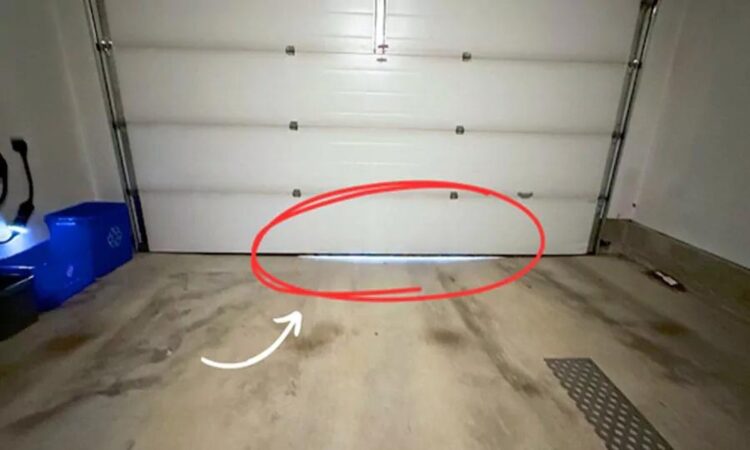
Another warning sign is visible gaps. If the door does not sit evenly when closed or you notice one side not sealing properly against the ground, it may be out of alignment.
Other Subtle Warning Signs
Sometimes the signs are less obvious. A garage door that suddenly feels heavier to lift or opens in a jerky motion may be experiencing a track or spring imbalance.
You might also notice the door reversing unexpectedly or struggling to fully close. These issues often occur when sensors or mechanical parts are affected by misalignment.
Why Early Detection Matters
Catching misalignment early prevents strain on the opener motor and other components. When a door operates unevenly, it forces extra pressure on cables, rollers, and tracks, which can lead to premature failure.
Early adjustments are usually simple, but delayed repairs can escalate into major replacements.
Basic Preventive Measures
Homeowners can reduce the risk of misalignment by performing routine checks. Tightening loose bolts, keeping tracks clean, and lubricating moving parts can help maintain smooth operation.
It is also important to avoid forcing a stuck door open or closed, as this can worsen alignment issues.
Final Thoughts
Garage door misalignment rarely happens suddenly-it develops over time through wear, environmental changes, or minor impacts. By recognizing early signs like uneven movement, strange noises, or gaps, homeowners can address issues before they become serious. Regular maintenance is the key to keeping the system safe, balanced, and reliable.
This article was written by a professional at 1 Stop Garage Doors. 1 Stop Garage Doors proudly serves homeowners and businesses with top-quality garage door installations and repairs. We install premium doors and openers from trusted brands, ensuring reliability and customer satisfaction. Our expert team provides cost-effective solutions, arriving with fully stocked trucks to handle repairs on the spot, including torsion spring replacements, drum and roller fixes, and general maintenance to keep your garage door functioning smoothly.
The information provided on this website does not, and is not intended to, constitute legal advice; all information, content, and materials available on this site are for general informational purposes only.
add a comment

Emergency Washing Machine Repair: Prevent Water Damage Before It Becomes a Disaster
A broken appliance causes massive stress in your home. The sudden breakdown disrupts your daily routine completely. Now, a leaking...


Emergency Washing Machine Repair: Prevent Water Damage Before It Becomes a Disaster
A broken appliance causes massive stress in your home. The sudden breakdown disrupts your daily routine completely. Now, a leaking...


What Is The 3 Minute Rule For AC?
Have you ever turned your air conditioner off and then immediately back on because the room still felt warm? It...


Master the Groundwork: Preparing Your Yard for a Perfect Deck
It takes a lot of planning and hard work to build a new outdoor space. A well-prepared building will last...
