



69views

Termites can work inside a home for a long time before anyone sees them. The first visible sign may appear on a foundation wall, around a window, or in a piece of damaged wood, but that spot does not always show where the activity began. An inspection looks past the first sign to work out how termites are reaching the structure and where they are active.
Before treatment starts, the technician needs to know where the termites are active, how they are getting into the house, and whether moisture or part of the construction is helping them stay there. For homeowners looking into palisadepest.com/termite-control, an inspection can show what is happening beyond the first visible sign.
Where Termites Are Entering
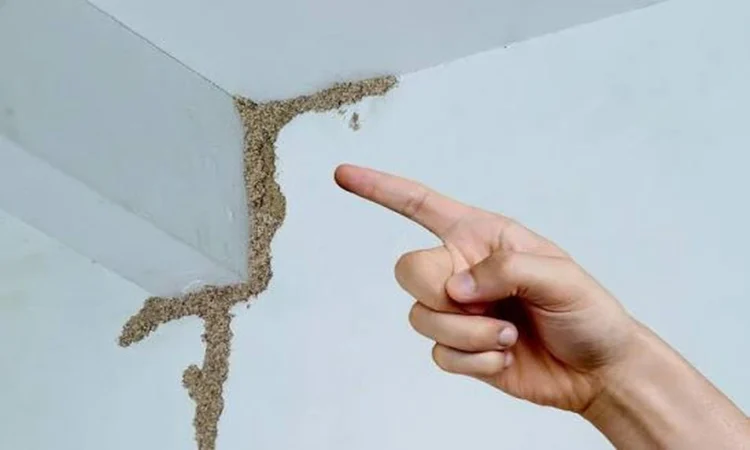
Subterranean termites usually move between the soil and a structure through hidden routes, so the foundation is one of the first areas an inspector examines. Mud tubes and other signs around the base of a house can show where termites are getting in. A technician will usually check places such as these.
- Mud tubes along foundation walls
- Wood that is close to the soil
- Openings around pipes and utility lines
- Steps, porches, and decks near the ground
- Crawl spaces with exposed wood
These spots can help a technician trace the route back to the soil or another part of the structure.
Current Activity or Old Signs?
A mud tube does not always mean termites are still using it. The same goes for damaged wood or wings left behind after a swarm. Those signs can remain after the insects have moved elsewhere.
A technician will look for signs that the activity is still present. Live termites are the clearest clue. A fresh, damp tube can be a sign that termites are still using that route. A dry, brittle tube with no other signs nearby tells a different story. Old damage by itself does not say much about where the termites are now.
What the Damage Shows
Termite damage can be hidden beneath an intact surface, so wood may look sound even when the material underneath has been weakened. An inspector checks for hollow-sounding wood, blistered paint, and doors or windows that have begun to stick, especially where those appear alongside other termite evidence. The location of the damage matters too. Damage to trim is different from damage to framing, floor supports, or the sill area.
Moisture and the Property Around It
Moisture can make an area more favorable to subterranean termites, so an inspection also looks for places where water lingers around the structure. Leaking plumbing, poor drainage, a damp crawl space, or water pooling against the foundation can support activity, and correcting them removes a factor even though it does not clear an established colony on its own. The inspection can extend past the walls too. Wood piles, mulch, landscaping timbers, and wood in contact with the ground can give termites an easier path in, which helps explain why one property draws more activity than another.
What the Findings Mean for Treatment
An inspection is most valuable when the findings are considered together. A mud tube on one foundation wall, damp soil under the nearby porch, and hollowed wood in that same corner tell a fuller story than any one of them alone. Before treatment begins, the inspection can help establish:
- Where termite activity is located
- How termites are reaching the structure
- Whether the accessible wood shows damage
- Which moisture or drainage problems need attention
- Which areas are hard to inspect and need closer monitoring
Palisade Pest Control uses the inspection findings to determine where treatment is needed and what areas around the home need attention.
add a comment
Expert Window Lock Repair for UK Homes
For any homeowner, ensuring a property's safety is a fundamental concern. A primary defence against unauthorised entry often involves the...


Emergency Washing Machine Repair: Prevent Water Damage Before It Becomes a Disaster
A broken appliance causes massive stress in your home. The sudden breakdown disrupts your daily routine completely. Now, a leaking...


Emergency Washing Machine Repair: Prevent Water Damage Before It Becomes a Disaster
A broken appliance causes massive stress in your home. The sudden breakdown disrupts your daily routine completely. Now, a leaking...


Is interior design a good career option? Scopes and growth explained
If you are unsure about interior design and are considering whether to join. Then you have landed in a perfect...
