


2views

Opening a clogged drain and thoroughly cleaning the inside of a pipe are two different jobs. A mechanical drain tool may break through a concentrated blockage and restore water flow. That approach makes sense for many simple clogs. Trouble starts when grease, sludge, soap residue, and other material coat a longer section of pipe and keep catching new debris.
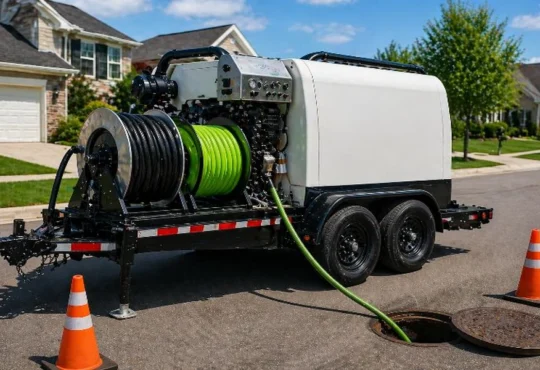
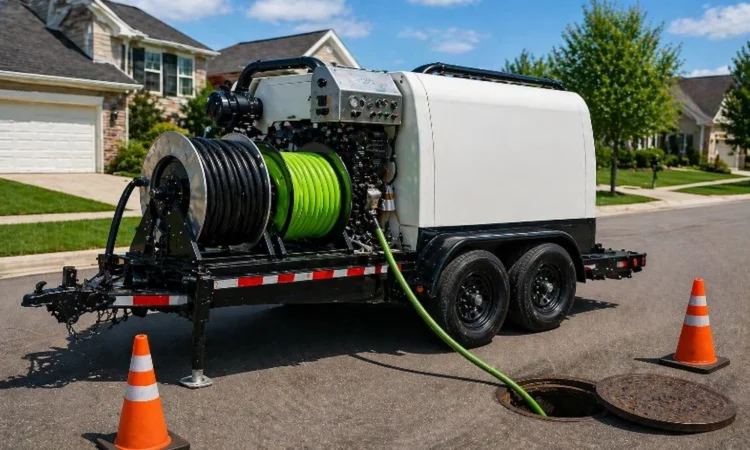
Professional hydrojetting in Ruskin uses high-pressure water to break apart buildup and wash loosened material through the drainage line. It becomes particularly useful when the same drain keeps slowing down after ordinary clearing or when deposits extend beyond one small obstruction. Understanding that difference makes it easier to see why one cleaning method may fit a drain problem better than another.
A Clog May Be Smaller Than the Buildup Around It
Imagine looking through a pipe coated with grease and residue.
A small opening may remain through the center, allowing some water to pass. Once additional food particles, soap, or debris enter the line, that narrow pathway blocks again.
Opening the center restores flow temporarily, but the material around it remains.
This pattern often explains why a drain works well immediately after basic clearing and then begins slowing again within a relatively short period.
Hydrojetting focuses on more of the interior pipe surface rather than creating one pathway through accumulated material.
Recurring Clogs Change the Cleaning Conversation
One isolated clog does not automatically point toward hydrojetting.
Repeated trouble is more informative.
If the same kitchen drain has been snaked several times and continues slowing down, the issue may involve buildup along the pipe walls rather than one object lodged in a single spot.
The time between problems matters too.
A drain that stays clear for years after basic service presents a different situation from one that begins struggling again after several weeks.
Ruskin Drain Cleaning Pros currently lists recurring blockages among the situations where deeper cleaning may deserve consideration. For information about its available services, visit ruskindraincleaning.com.
Kitchen Grease Is a Strong Candidate for Deeper Cleaning
Kitchen drains frequently deal with material that sticks.
Cooking oils, grease, sauces, soap, and food residue move through the same line day after day. Grease may coat the interior surface rather than passing cleanly through the plumbing.
New debris then sticks to the existing layer.
Over time, the usable diameter of the pipe becomes smaller.
A drain snake may open a passage through this material. Professional hydrojetting in Ruskin uses pressurized water to work across a larger portion of the interior pipe surface, making it more suitable for certain greasy or heavily coated lines.
That does not mean every kitchen slowdown needs hydrojetting. The type of buildup and condition of the line still matter.
Sludge Builds Differently From One Solid Obstruction
Some drain problems involve one object or concentrated mass.
Others develop as softer material collects across a longer distance.
Soap residue, grease, organic material, and sediment may create layers that gradually restrict flow. These deposits may be especially noticeable in lines that receive heavy daily use.
The result is often gradual rather than sudden.
Water moves slower. Odors return. The line needs clearing more often. Several nearby fixtures may begin draining poorly.
When symptoms suggest widespread buildup, cleaning more of the pipe interior makes more sense than repeatedly opening the narrowest point.
Hydrojetting Uses Water Instead of Chemical Drain Products
Chemical drain cleaners are often marketed as an easy answer to stubborn clogs.
They may not remove material evenly along the pipe.
Hydrojetting uses pressurized water and specialized equipment rather than pouring harsh drain chemicals into the line.
Ruskin Drain Cleaning Pros states that its hydrojet equipment uses a specialized hose and nozzle to direct water against buildup inside the pipe. Different nozzle configurations and pressure settings may be selected according to the line and the type of material being removed.
The objective is physical cleaning rather than attempting to dissolve an unknown blockage with a household product.
Grease Also Creates Problems Beyond Individual Properties
Grease buildup is not limited to one kitchen sink.
The U.S. Environmental Protection Agency identifies fats, oils, and grease among materials associated with sewer blockages. The agency’s information on sanitary sewer overflows also identifies improper materials, root intrusion, and inadequate sewer cleaning among factors that contribute to blockages.
EPA guidance lists regular sewer cleaning and maintenance among practices used to reduce avoidable overflow problems.
Those larger sewer systems operate on a different scale from household plumbing, but the underlying lesson is relevant: accumulated material reduces available flow space and deserves proper removal.
Pressure Should Match the Pipe
More water pressure is not automatically better.
Pipe material, diameter, age, condition, and existing damage all influence the appropriate cleaning approach.
Ruskin Drain Cleaning Pros states that pressure settings are selected according to the line rather than using the same level for every project.
That distinction matters.
Older or damaged piping may require inspection before hydrojetting. A compromised line may need another service approach instead of aggressive cleaning.
Professional hydrojetting in Ruskin should therefore begin with understanding what kind of pipe is being cleaned and what condition it is in.
A Camera Inspection May Be Useful Before Jetting
Recurring drain problems sometimes raise questions that ordinary symptoms do not answer.
Why does the clog keep returning in exactly the same location? Is the problem heavy buildup, root intrusion, damaged piping, or another obstruction?
A sewer camera may provide additional information when the cause remains unclear.
Ruskin Drain Cleaning Pros notes that older or damaged lines may need camera inspection or another evaluation before hydrojetting begins.
This is particularly important when a line has a history of repeated sewer trouble.
Cleaning works best when the service matches the actual condition inside the pipe rather than an assumption based solely on slow drainage.
Hydrojetting and Snaking Serve Different Jobs
Drain snaking remains useful.
A mechanical cable may break through hair, localized debris, or another concentrated blockage. For many straightforward clogs, that may restore normal drainage without needing a more extensive cleaning method.
Hydrojetting targets a different problem.
High-pressure water works across pipe walls and longer sections of line, which makes it useful for grease, sludge, and widespread buildup.
The two methods should not be viewed as competitors.
They are different tools for different conditions.
Choosing correctly starts with understanding the blockage rather than selecting a method based on which one sounds more powerful.
Commercial Kitchens Often Face Heavier Grease Buildup
Restaurants and other food-service properties place far greater demands on kitchen drainage than most residences.
Cooking happens repeatedly throughout the day. Large amounts of dishes are washed. Grease and food residue create ongoing pressure on drain lines.
Even with good grease-management practices, commercial piping may accumulate substantial material over time.
Recurring slow drainage in these settings deserves attention before a blockage interrupts operations.
Ruskin Drain Cleaning Pros lists hydrojetting for residential and commercial drain lines, including situations involving heavy grease and sludge.
A commercial maintenance schedule may also be based on the history of a particular line rather than waiting for complete blockage.
Several Slow Fixtures May Point Toward a Larger Line
One slow bathroom sink usually keeps the investigation close to that fixture at first.
Several drains slowing around the same time create a different picture.
A shared branch or larger drain line may contain buildup that affects multiple fixtures downstream.
Pay attention to relationships.
Does one drain gurgle when another empties? Does a floor drain react when a nearby sink releases water? Have several fixtures become slower over the same period?
These details influence where the inspection begins and how far into the system cleaning needs to go.
Gurgling After Previous Cleaning Deserves Attention
A drain that starts gurgling again shortly after being cleared may indicate that flow remains restricted somewhere in the system.
The same applies to recurring odors.
Opening a narrow passage through a clog may improve water movement while leaving substantial material behind.
As debris accumulates again, symptoms return.
Ruskin Drain Cleaning Pros specifically identifies returning gurgling, persistent odors, greasy residue, and repeated slow drainage as signs associated with deeper buildup.
Those patterns provide stronger reasons to evaluate the full condition of the line rather than repeating the same temporary clearing method.
Hydrojetting Is About Cleaning More of the Pipe Interior
The biggest difference between hydrojetting and basic clog opening is the area being treated.
A simple clearing focuses on restoring a pathway.
Hydrojetting focuses on removing buildup from a broader section of pipe.
Pressurized water breaks material away from interior surfaces and carries loosened debris through the drainage line.
For heavily coated piping, that difference matters.
The cleaned line has more open space for wastewater to move through after grease, sludge, and residue are removed.
That broader cleaning action is one of the main reasons professional hydrojetting in Ruskin may be considered for stubborn recurring problems.
Prevention Still Matters After Hydrojetting
A freshly cleaned pipe is not protected from future misuse.
If grease continues going down the kitchen sink, new deposits may begin forming again. Hair and soap still enter bathroom drains. Food waste still places unnecessary material into kitchen piping.
Good habits remain important after service.
Collect cooking grease instead of pouring it into the sink. Use strainers where appropriate. Remove hair before it reaches deeper plumbing. Keep wipes and other unsuitable materials out of toilets.
Professional cleaning deals with existing buildup.
Daily habits influence how quickly new buildup develops afterward.
The Right Method Starts With the Right Problem
Hydrojetting is valuable because it solves a different type of drain problem than simple clog opening.
A concentrated obstruction may respond well to mechanical clearing. Grease, sludge, recurring buildup, and material coating a longer section of pipe may justify a broader cleaning method.
That distinction is more important than simply choosing the strongest equipment available.
Professional hydrojetting in Ruskin should follow an evaluation of the pipe, the blockage, previous drain problems, and the condition of the line.
If the same clogs keep returning, kitchen grease continues restricting drainage, or previous clearing has provided only short-term improvement, contact Ruskin Drain Cleaning Pros to discuss the condition of the line and determine which cleaning method fits the problem.
add a comment